
Getting Lake County Court Records
Go to the court that heard the case rather than running a broad name search. The Lake County Circuit Court page lists the Circuit Court Clerk as the keeper of Circuit records and minutes. The same clerk serves General Sessions. Chancery and probate-side files sit with the Clerk & Master. A municipal case stays with the Tiptonville or Ridgely city court clerk. Juvenile records run through Juvenile Court, and access may be restricted.
Lake County publishes no online trial-file viewer and no copy-request form. Your practical routes are clerk-assisted inspection at the counter, the Circuit Court public computer, a phone inquiry, or a copy request. Confirm the delivery method with staff. Tennessee Public Case History covers appellate matters only.
- Identify the court, full case number, parties, and exact filing or order.
- Call the maintaining clerk and ask whether inspection is at the counter or public computer.
- Ask whether a written request may be sent by mail or email.
- State whether a plain copy, certified copy, transcript, or docket entry is needed.
- Get an itemized quote for copies, certification, search work, and postage.
If a case was appealed, Tennessee Public Case History can show the appellate docket history plus any PDFs the courts permit. It never substitutes for the original Lake County file.
Three Lake County Record Forms
Three forms of paper serve three different needs. A docket is the dated register of what happened in a case. A filed document is the real item. It may be a pleading, motion, order, judgment, exhibit, indictment, affidavit, or notice. A certified copy is a clerk-authenticated reproduction meant for formal use.
- Docket
- The chronological list of filings, settings, rulings, and disposition events.
- Filed document
- The text and pages placed in the official file, subject to seals and redaction.
- Certified copy
- A copy authenticated by the clerk; a screen print is not the same.
Be specific in any request. Asking for one signed order entered on a known date beats asking for "the record" every time.
Lake County Court Record Types
Jurisdiction splits the clerk work. Circuit holds felony and misdemeanor criminal cases. It also covers civil claims over $25,000, post-conviction matters, garnishments, executions, foreign judgments, appeals, juror records, and case-related financial accounting. General Sessions covers limited civil and criminal matters, felony preliminary hearings, and misdemeanor trials.
The Clerk & Master keeps Chancery and probate material. That includes equity, divorce, adoption, workers' compensation, and probate records. Juvenile files involve delinquency, paternity, custody, and child support, though many stay closed to the public. City clerks hold the municipal traffic and ordinance dockets.
- Docket sheets and minute entries
- Complaints, indictments, petitions, answers, and motions
- Signed orders, judgments, and disposition records
- Notices of settings and continuance orders
- Appeal records and available transcripts or recordings
Lake County Clerk Record Routes
Jessica Avery handles Circuit records and serves as the listed General Sessions clerk. Amber Mooring is the Chancery contact. Both offices sit at the county court address, yet their box numbers and phones differ. A trial-file request sent to the administrative County Court Clerk can sit unresolved. That office is not the main case keeper.
Lake County Circuit Court Clerk
Jessica Avery, Box 11
229 Church Street, Tiptonville, TN 38079
731-253-7137
Lake County Clerk & Master
Amber Mooring, Box 12
229 Church Street, Tiptonville, TN 38079
731-253-8926
Call 731-253-7874 for Juvenile questions, and ask first whether the law permits access and what proof of authority it takes.
Inside a Lake County Court Record
A Lake County court record may pair a docket header with filings and signed rulings. How it looks on paper varies. The county publishes no public trial-system format. Official filings show numbers like 25-CR-11185, and Chancery notices carry 24-CV-76. Give the clerk the full number exactly as printed.
| Case identity | Court, number, filing date, type, caption, judge, and status when recorded. |
|---|---|
| Parties and counsel | Named sides and attorneys, subject to privacy rules. |
| Docket history | Filings, service, motions, hearings, resets, orders, and judgments. |
| Settings | Date, time, court, judge, room, and setting type when recorded. |
| Disposition | Plea, dismissal, conviction, nonsuit, judgment, sentence, or other result. |
| Financial entries | Fines, costs, restitution, judgment amounts, and balances where kept. |
A docket line can name a document without showing the page itself. When the entry alone is not enough, request that document by name.
Lake County Public Computer Access
The county FAQ notes one public access computer in Circuit Court. That terminal is the clearest electronic inspection route in Lake County. It is a computer at the courthouse. It is not a web portal. Staff can help you locate a public file, though they cannot offer legal advice.
People often mistake the payment page for a search tool. It actually holds Chancery, Circuit, and General Sessions payment links, not a docket lookup. The official page shows that limited function and nothing more.
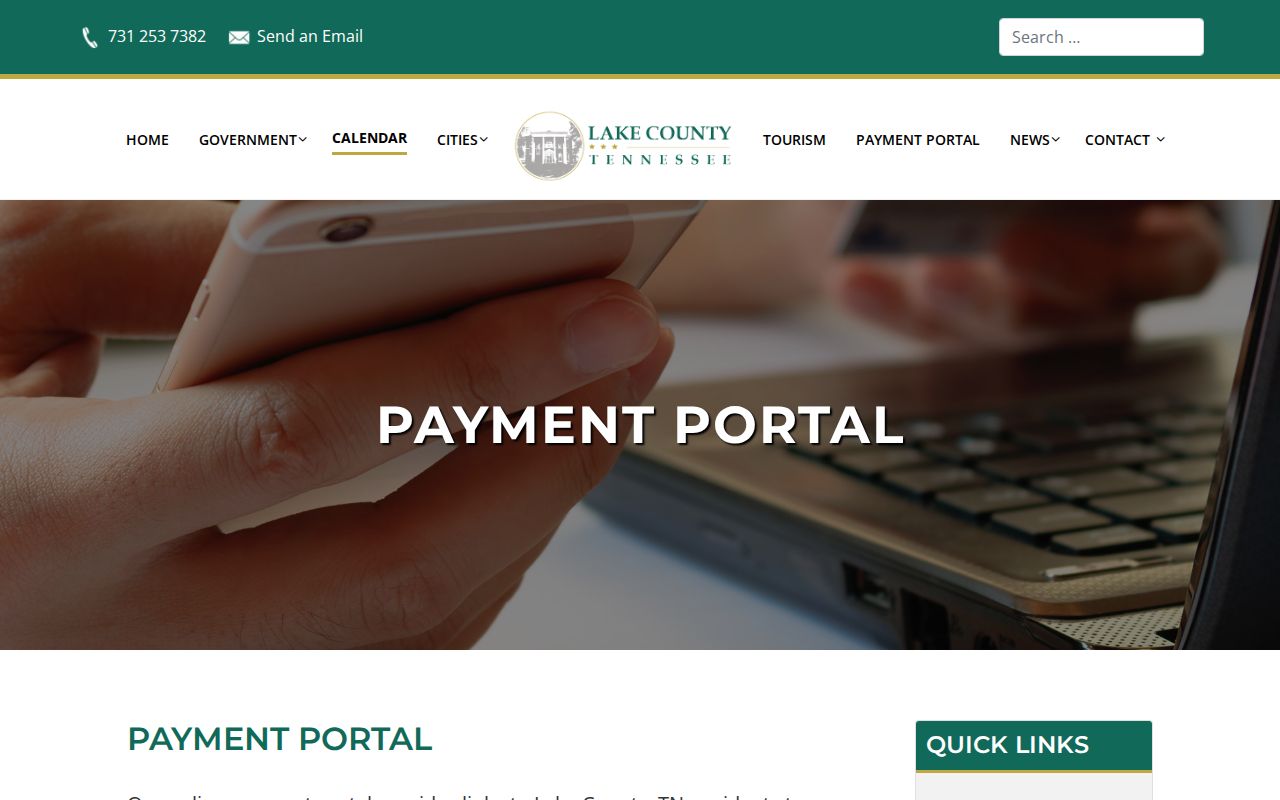
Use the Lake County payment portal only once the clerk or your papers identify the right court and the obligation owed.
Fees and Certified Copies
Lake County posts no local price list for copies, certification, exemplification, search work, or postage, so get a quote from the clerk. A filed order comes from the case clerk. A transcript usually comes through the reporter or the recording process instead.
| Record item | Published Lake fee | Route |
|---|---|---|
| Docket inspection | No charge stated | Ask about counter or computer inspection. |
| Plain copy | Not published | Name exact pages and seek a quote. |
| Certified order | Not published | Ask for copy, certification, and delivery costs. |
| Exemplified copy | Not published | Confirm availability and price. |
| Rule 26 recording copy | $50 simultaneous; $100 later disc | Confirm that Rule 26 applies. |
| AOC-program transcript | $4/page; $0.50 additional copy | Obtain the actual reporter quote. |
Certification never unlocks a restricted record. The clerk must first decide you may receive it.
Older Lake County Court Files
Lake County publishes no retention schedule or digitization list. Old files can live almost anywhere. They may sit in TnCIS/CMS. They may also rest in a bound docket book, index cards, microfilm, an archived box, or an appellate record. For these, a year range and the exact court matter more than any modern online search.
Give the clerk the details you have. That means an approximate year, caption, case type, court, known number, and the document you want. Ask whether retrieval carries an added cost. The Tennessee Public Records Act covers records that exist. It does not force a clerk to build a new report.
Note: Archived searches go best with a narrow request. Pin down the year, court, case type, parties, and exact document before retrieval starts.
Selected Lake County Public Filings
Circuit and General Sessions have posted selected documents from one high-interest proceeding. The set includes an indictment, affidavits, motions, responses, orders, and media guidelines. So a Lake County court will post specific PDFs when public demand runs high.
That collection is not a complete online file. It is not a general search portal. Everything else still goes through the proper clerk. The media rules tied to that proceeding apply there only, not to all Lake County hearings.
Sealed Records and Public Access
Tennessee Supreme Court Rule 34 starts from a simple premise: records are open. Inspection is allowed by default. A statute, another rule, or a court order must make the file confidential. The Tennessee Public Records Act works alongside that rule. It lets Tennessee citizens request existing public records, though exceptions apply. Neither law can crack a sealed file. A protective order, an expunction, or a juvenile restriction always wins. It beats any general right of access.
Lake County access rules:
Rule 34 presumes court-file access except where law or order restricts it.
Tennessee Public Records Act guidance explains focused inspection and copy requests.
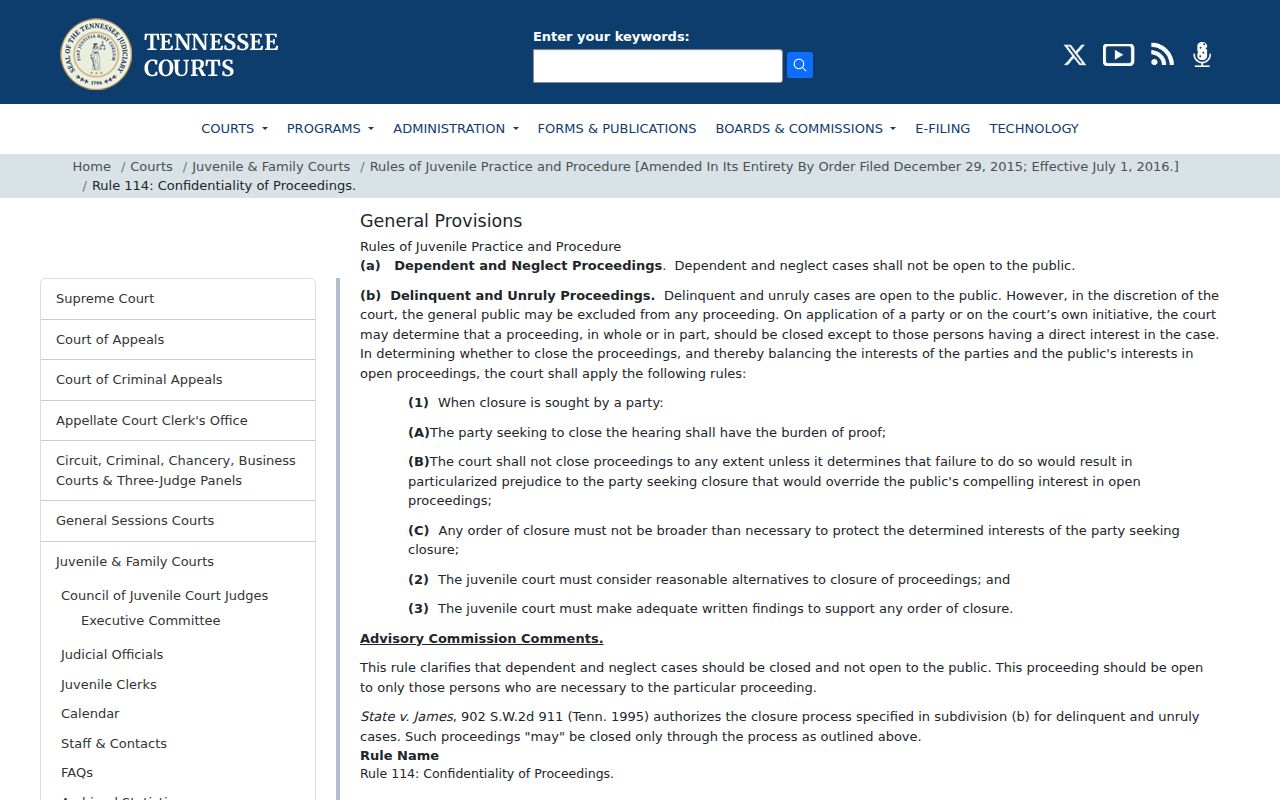
Rule 114 closes dependency and neglect proceedings and permits tailored closure in delinquency matters.
The local Juvenile Court source shows its public contact route.
Public office details do not make the underlying juvenile file open.
Lake County Juvenile Record Limits
Lake County juvenile records split into two categories. Dependency and neglect proceedings are closed under Rule 114. Delinquency cases work the other way. They are generally open, though a judge may close all or part of one after making required findings. Even then, file access under Tennessee Code section 37-1-153 stays limited. An open hearing does not make every document open. The statewide rule governs Lake County court records, and the official Tennessee Courts site shows how it applies.
Call the Juvenile Court before you go. Ask which forms of identification it requires and what legal authority, if any, a requester must show for a juvenile docket.
The AOC public resources page lists rules, forms, expungement help, and clerk contacts for Lake County, yet it cannot open any juvenile file the court keeps closed.